If you’re trying to work out who does what behind the players, esports team roles explained in one line: players compete, coaches run training, analysts study data, and managers handle logistics. Smaller teams often blend them.
If you are new to the scene, start with our overview of what is esports and then come back to see how a team is staffed.
| Item | Value |
|---|---|
| Players on one League of Legends roster (Immortals, 2017) | 7 players: 5 starters, 2 subs |
| Coaching staff supporting that roster | 5 members |
| Weekday focused training block for the head coach’s squad | 10 a.m. to 5 p.m. |
| When coaches could talk to the team during LCS matches (2017) | During the draft and for 1 minute after it |
| Top pro earning potential (2016 guide) | Hundreds of thousands of pounds per year, wages plus sponsorship and prizes |
These figures come from Kotaku’s June 2017 report and British Esports’ December 2016 jobs guide. They can change, so check the source before you rely on them.
Players: the people who compete
The professional player is the most visible role. British Esports describes pros as usually signed to a particular team, competing in tournaments for prize money.
Most start in amateur or grassroots events, or climb the rankings in a game, before bigger teams notice them. In that same December 2016 guide, the world’s top pros could potentially earn hundreds of thousands of pounds per year once wages, sponsorship deals and prizes are added together.
On a team game, each player usually owns one position. Kotaku’s report on a League of Legends squad quotes its head coach comparing the lanes to different jobs: each player is an expert in their own lane, and the coaching staff tries to meld them into one team.
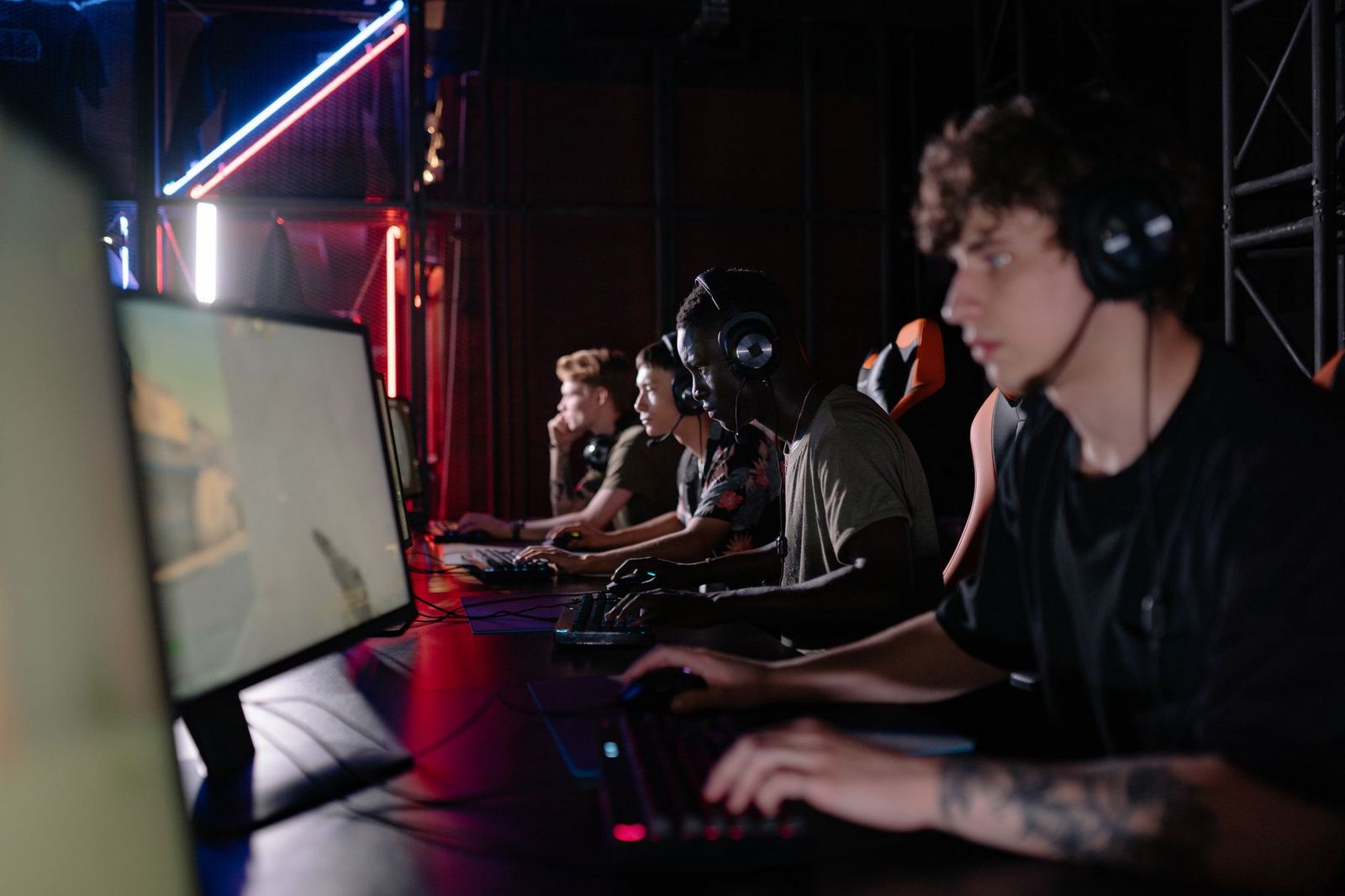
During a match, the players are on their own. They are led by an in-game shot-caller, the player who makes the live calls, rather than by a coach.
What does an esports coach do?
A coach is responsible for every aspect of performance within a team, according to British Esports. That covers individual skill growth, team cohesion, in-game strategy, motivation and discipline.
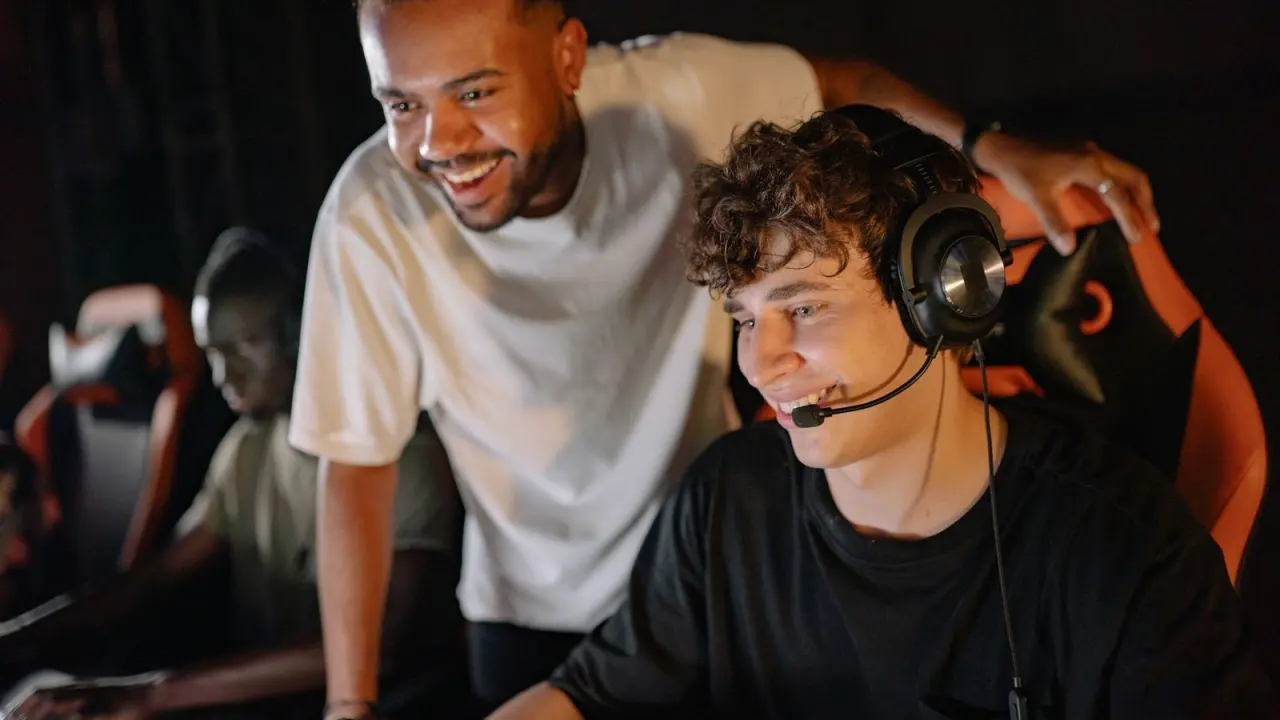
Coaches also help the team train against other teams in practice matches, known as scrims. Many also record and review matches, take notes and arrange those scrims.
Coaching is not one job. British Esports lists several coaching roles, and one person often covers more than one:
- Head coach
- Draft coach
- Strategic coach
- Sports psychologist
The job also changes with the game. A GosuGamers feature on Overwatch noted that the title of coach often means different things in different games, and it split most coaching duties into preparation, post-game analysis, live correction and psychological support.
Kotaku’s 2017 report shows how structured a big team can get. The head coach’s weekday ran as focused scrim training from 10 a.m. to 5 p.m., followed by evenings spent studying matches. Its staff also included a performance coach, whose focus was keeping the team exercising, sleeping and eating well and staying emotionally sound.
Match-day limits matter too. In that League of Legends league, coaches could only talk to the team during the draft and for one minute after it, so the players handle the rest themselves.
Analysts: turning matches into data
An analyst works mainly with information. EarlyGame describes analysts reviewing past games of their own team and their opponents, looking for mistakes to exploit.
British Esports says team analysts usually work with coaches to build strategies and communicate strengths and weaknesses to the players. The day-to-day work usually includes:
- Watching top-level matches for ideas and tracking changes in how the best teams play (the meta).
- Using stats tools and turning the results into reports or presentations.
- Scouting new players who may not be on the radar yet.
The skill bar is high. British Esports says an analyst needs an excellent understanding of the game’s rules and intricacies and usually has to play at a reasonable level.
The same Kotaku report lists both a head analyst and an analyst on one team’s staff, which shows the role can be a department of its own on a well-funded team.
Managers, owners and support staff
The team manager keeps the operation running. EarlyGame says managers book and plan travel and accommodation for events such as boot camps, oversee contracts and act as a hub between players, coach and the rest of the team.
British Esports adds that managers or owners may also handle finding new talent, entering tournaments and building the team’s brand and partnerships. The manager in Kotaku’s report also covered scrim schedules and mediated arguments, and translated for a head coach who spoke a different first language from most of the players.
Health is the newer addition. Kotaku reports that its performance coach, alongside physical therapists, works with players on posture, stretching and fitness to avoid injuries that would hurt performance.
Some esports jobs are not team roles at all. Tournament admins and referees work for the event, making sure it runs smoothly and the rules are followed.
How the roles fit together before and during a match
Think of the roles as a relay. Each one hands work to the next, and the players are the last link.
- Analysts review opponents and the team’s own games.
- Coaches turn that into a plan and run scrims to practise it.
- Managers sort out schedules, travel and contracts so nothing distracts the players.
- Players execute, led by the in-game shot-caller.
To see where that preparation pays off, read about how do esports tournaments work from the organiser’s side. The structure of the event also shapes what a team prepares for, which is covered in our guide to esports tournament formats.
The examples in this guide come mostly from League of Legends and Overwatch. Staff sizes and job titles vary by game and by team, so treat the list above as a typical pattern rather than a rule.
Getting into coaching or analysis
There is no fixed route. A League of Legends coach quoted by British Esports says there are no set qualifications for these jobs, and that you need the skillset: people management, deep game knowledge, and communication and teaching skills.
The same page suggests volunteering part time with an amateur organisation for a season. Such teams may not be able to offer a salary, but the experience is valuable in a competitive field.
Kotaku’s report also notes that staff are increasingly drawn from outside esports, such as sports coaching and physiotherapy backgrounds, because they bring a different perspective or skillset.
Frequently asked questions
Does every esports team have a coach?
Show answer
No. Kotaku’s June 2017 report noted that teams in games such as Dota 2 could often get by with a single coach-slash-manager or less, while larger League of Legends teams carried a full staff.
What is the difference between a coach and an analyst?
Show answer
A coach is responsible for the team’s overall performance, including training, motivation and strategy. An analyst focuses on information: reviewing matches, finding strengths and weaknesses, and reporting them to the coach and players.
Do you need a degree to coach an esports team?
Show answer
According to a coach quoted by British Esports, there are no set qualifications for the job. Proven game knowledge, people skills and experience with lower-tier teams count for more.
Who leads the team during a match?
Show answer
The in-game shot-caller, one of the players, leads during play. In the league Kotaku covered in 2017, coaches could speak to the team only around the draft.