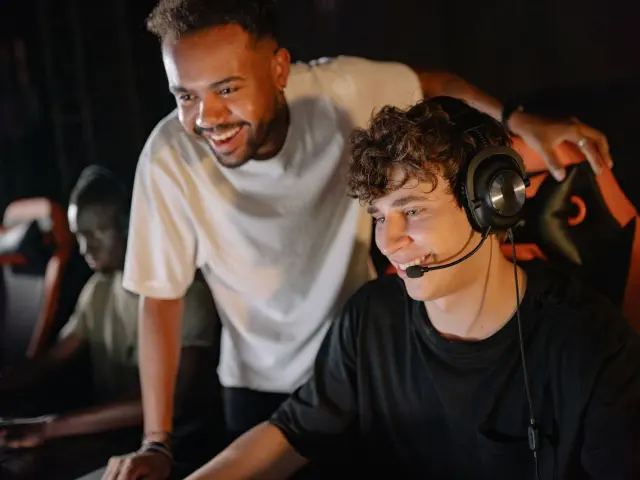
Wondering what is esports and whether it counts as more than just gaming? It is organised, competitive video gaming, with players and teams chasing titles and prizes while huge audiences watch. Here is what you need to know.
| Key fact | Value |
|---|---|
| Global esports audience, 2025 | 640.8M people |
| Global esports audience, 2020 | 435.7M people |
| Asia-Pacific share of the worldwide audience | roughly 57% |
| Largest single-event prize pool (The International 2021) | $40,018,400 |
| Esports World Cup prize pool (Paris, 2026) | exceeding $75 million USD |
| Peak viewers, Mobile Legends: Bang Bang M7 World Championship | 5.68M concurrent viewers |
These figures come from esports.net’s April 2025 prize pool review and Outlook Respawn’s report of July 6, 2026. Audience counts, prize pools and rankings change often, so check the source before you rely on them.
What is esports and how does it work?
At its core, esports is competitive video gaming played under set rules, whether by solo players or by teams. Winners earn titles, ranking points or prize money, and the matches are broadcast to fans who watch online or in arenas.
The games span both PC and phone. In the PC arena, Counter-Strike and League of Legends are well-known examples, while Mobile Legends: Bang Bang, Honor of Kings and PUBG Mobile show how large phone-based competition has become.
Around the games sits a set of systems that make results meaningful. Each of these has its own guide:
- A full explanation of how do esports tournaments work covers how events are run from entry to the final.
- Readers who want to know who does what on a roster can start with esports team roles explained.
- Brackets, groups and match structures are laid out in a guide to esports tournament formats.
- Season-long competition is covered in a guide on how do esports leagues work.
- Placement and ranking logic is explained in esports seeding and rankings explained.
Think of the game as the stage and these systems as the rulebook around it. Once you understand them, any broadcast becomes easier to follow.
How big is esports today?
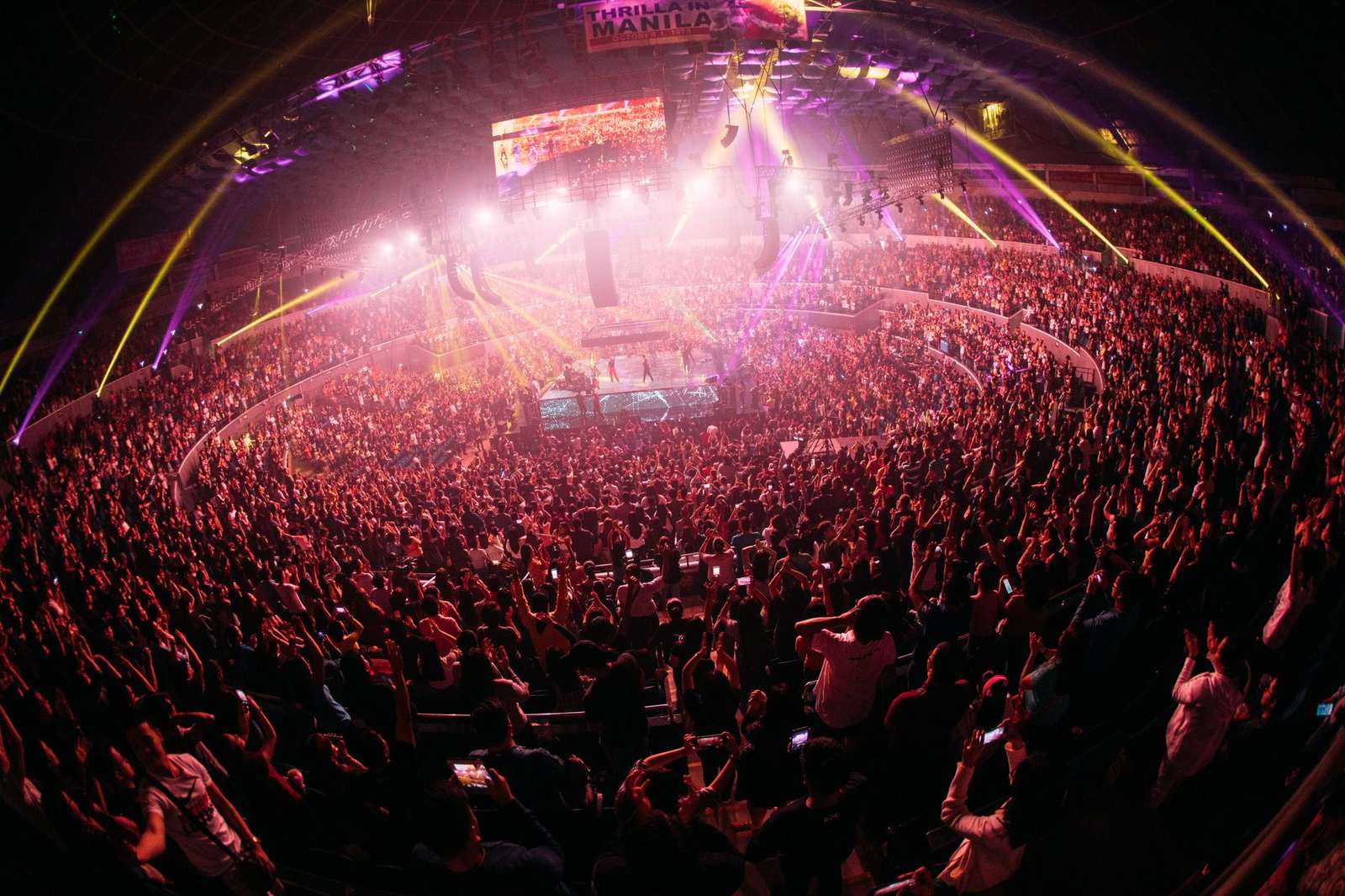
According to Outlook Respawn’s July 6, 2026 report, the global esports audience reached 640.8M people in 2025, a surge from 435.7M in 2020. The figures are credited to Quantumrun and Newzoo, and you can read the details in the original report.
That audience splits almost down the middle: 318.1M dedicated, core enthusiasts and 322.7M occasional viewers who tune in for major broadcasts. The core group is described as growing at 8.1% a year.
Single events can draw huge peaks as well. League of Legends Worlds 2025 pulled 6.75M peak viewers, which the same report calls the second largest turnout in that event’s history.
The Esports World Cup in numbers
The Esports World Cup is a useful yardstick for how fast the scene has grown. Using the July 6, 2026 report as the reference point:
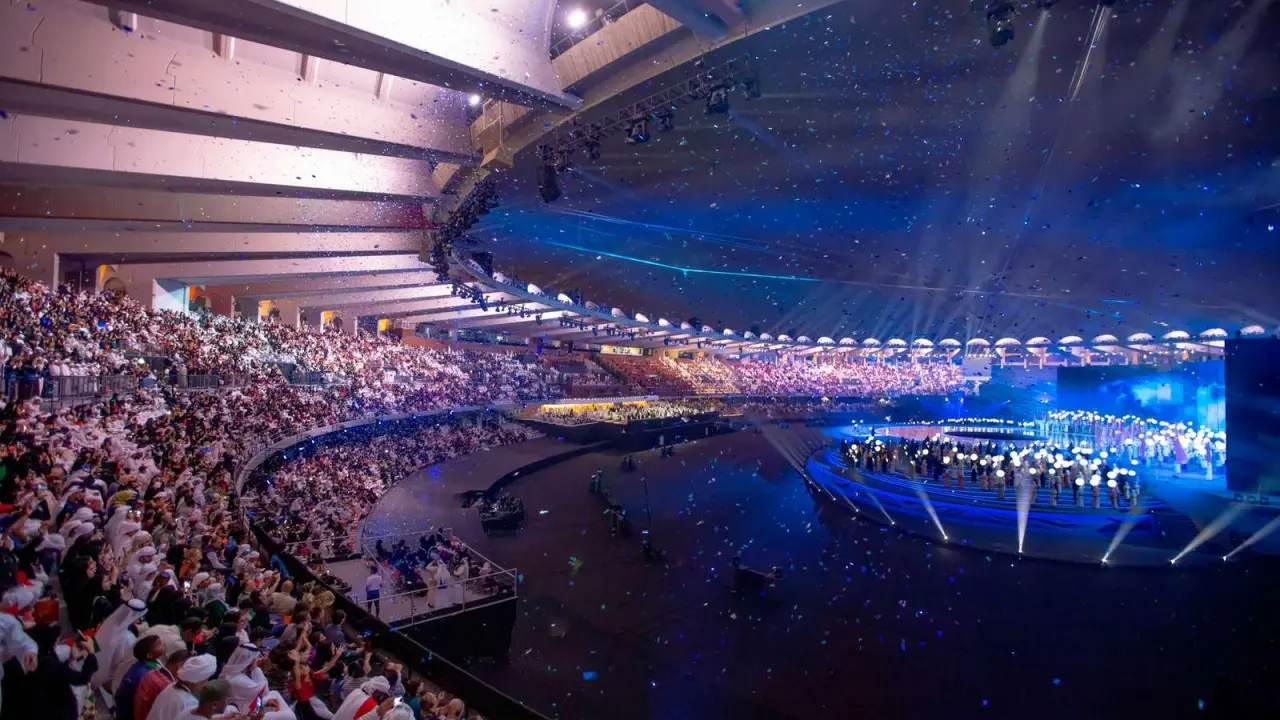
- The 2024 edition launched in Riyadh with a $60M prize pool, 1,500 athletes, 500M online viewers and 2.6M physical visitors.
- The 2025 edition pushed the prize pool past $70M, with $27M dedicated solely to the Club Championship.
- The Paris edition runs from July 6 through August 23, with a prize pool exceeding $75 million USD, the largest in the event’s three-year history.
Organisers of the Paris edition were reported to expect more than 2,000 players and 200 clubs from over 100 countries across 25 tournaments in 24 games. The Esports World Cup is named here only as a neutral example of event scale.
A short history
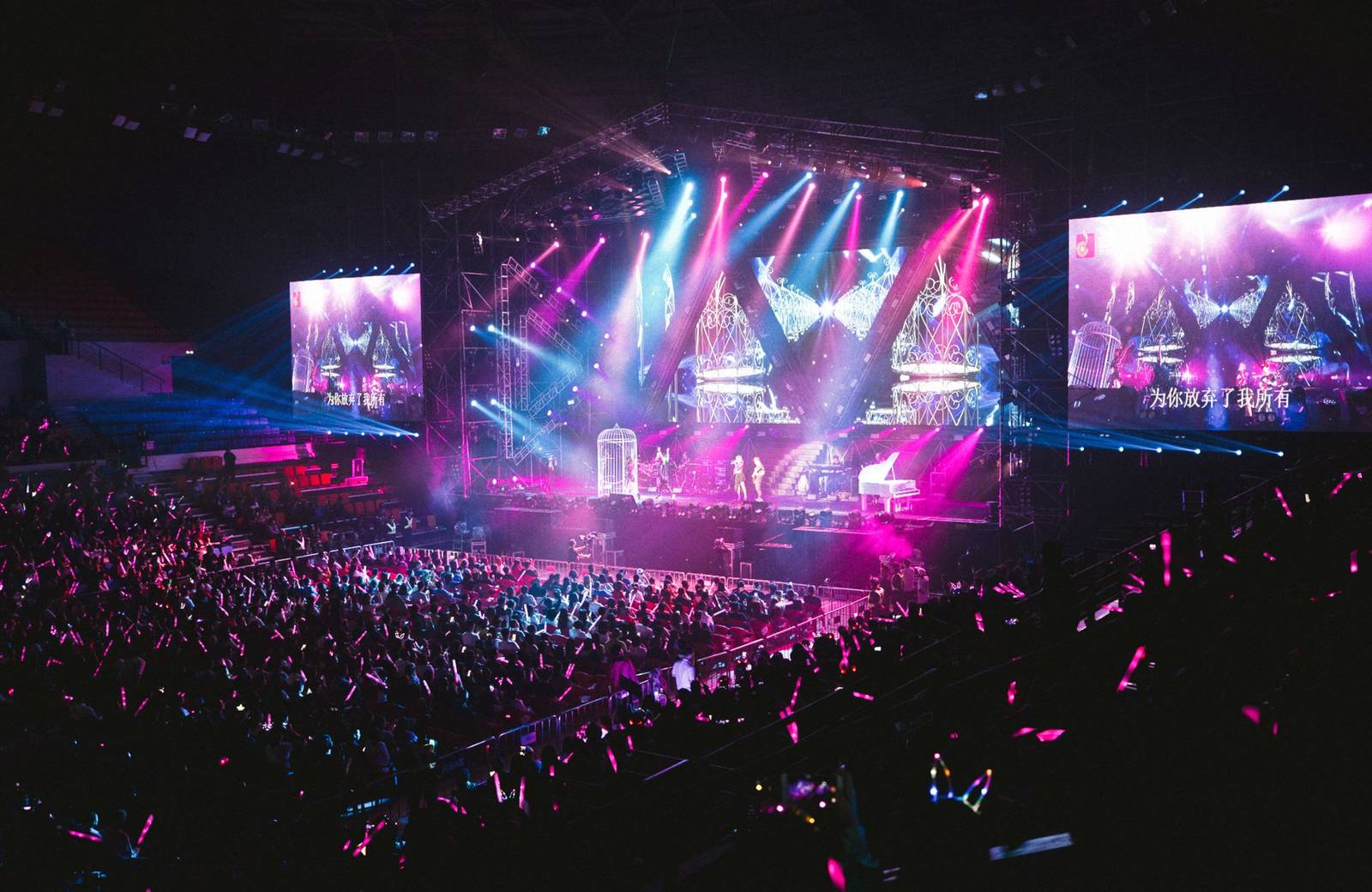
Esports did not appear overnight. According to esports.net’s April 2025 article, its story runs from the cramped halls of college dorms in the 1970s to the mega indoor stadiums of the 2020s, and the old stereotype of players as social rejects has faded along the way. The full piece is on esports.net.
Why mobile gaming is driving esports growth
The Asia-Pacific region accounted for roughly 57% of the worldwide audience, according to Outlook Respawn’s July 6, 2026 report. The same report says countries like China and the Philippines post the highest regular viewership rates, powered by a mobile-first gaming boom. You can check the wording in the report itself.
Mobile Legends: Bang Bang led all esports titles by peak viewership so far in 2026 at the time of that report. It reached 5.68M concurrent viewers during its M7 World Championship.
Player numbers are just as striking. The report says Honor of Kings boasts more than 260M global monthly active users and over 139M daily active users on its Chinese servers alone in 2025.
Participation records are falling too. PUBG Mobile’s Global Open 2026 Season 1 attracted 1,224,169 players and earned a Guinness World Record as the largest mobile team-based esports tournament ever held, per the same July 2026 report.
Phones lower the barrier to entry, because many fans already own the hardware. For a deeper look at the scene, see this guide to mobile esports.
Prize pools and where the money comes from
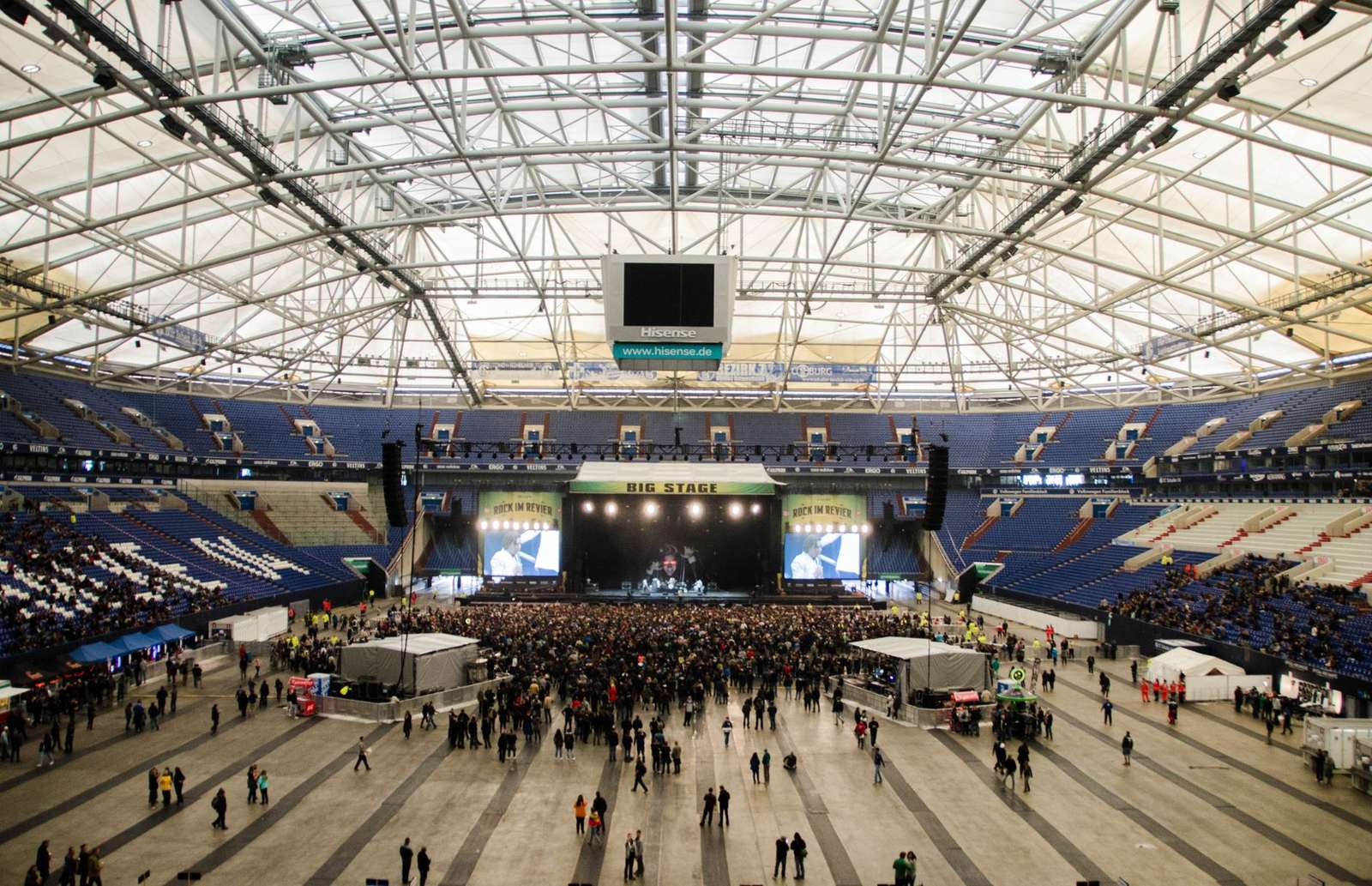
A prize pool is the total prize money offered at an event. A separate guide answers what is a prize pool in esports in more depth, including how pools are built.
As of esports.net’s April 11, 2025 article, the biggest esports tournament in history by prize pool is The International for Dota 2. The International 2021 holds the record at $40,018,400, and the article notes that the top seven pools in history are all editions of that event. Read the full list on esports.net.
The size comes from how the pool is funded. Each year Valve releases a battle pass called the Compendium, and 25% of its earnings go toward the next International’s prize pool, a model first used in 2013. The winner of each International takes home roughly 45% of the pool, and Team Spirit pocketed $18,208,300 for winning in 2021.
That model is volatile, because the pool depends on how many players buy the pass and how good it is. The same article says The International 2024 ranked 62nd on the all-time list with $2,581,982.
| Event | Prize pool |
|---|---|
| The International 2021 (Dota 2) | $40,018,400 |
| The International 2019 (Dota 2) | $34,330,069 |
| Honor of Kings International Championship 2022 | $10,000,000 |
| PUBG Global Invitational.S 2021 | $7.1 million |
| The International 2024 (Dota 2) | $2,581,982 |
All five prize pools in this table come from esports.net’s April 11, 2025 article. Pools are re-announced for every edition, so check the source before you rely on them.
Other games have used different approaches. The Fortnite World Cup Finals 2019 put $30 million up for grabs across solo and duo events with 200 players. The PUBG Global Invitational.S started with a $3.5 million pool that doubled to $7.1 million thanks to crowdfunding and other monetary guarantees, as esports.net reports.
The Honor of Kings International Championship in December 2022 offered $10,000,000 to 16 teams, with $3,500,000 for the grand prize. It shows that a mobile title can match the big PC events on prize money.
Prize money is only part of the economy
Estimates of the industry’s size depend on what you count. The July 2026 Outlook Respawn report says Newzoo’s narrower professional estimate capped 2025 earnings at $1.866B, while broader trackers place the real value between $2.4B and $5.1B.
According to the same Outlook Respawn report, sponsorships and exclusive media rights deals generate roughly 60% of total market income. It adds that developers, organisers and clubs are also growing these revenue streams:
- Merchandise
- Live event ticketing
- Digital subscriptions
- Direct publisher investments
Team earnings show how concentrated prize money can be. In 2025, AG Super Play topped all team earnings with $4.89M, built almost entirely on its Honor of Kings roster, per the Outlook Respawn report.
On the PC side, the same July 6, 2026 report says Counter-Strike had generated $13.57M in prize money in 2026 so far.
Getting started as a fan or a player
You do not need to master every game to enjoy the scene. A simple path works well for most newcomers:
- Pick one game and learn its basic rules before you worry about results.
- Watch a few broadcasts, and use this guide on how to watch esports to find where matches are shown.
- Follow one tournament from the first round to the final so you can see formats and seeding in action.
- If you want to compete, read a guide on how to become a pro esports player to understand the realistic path.
- Learn about the human side of the job early, including esports player burnout, so you can spot the warning signs.
This site is an independent educational resource. It is not affiliated with any game publisher, team, league or event named here, and it offers no services or bookings.
Frequently asked questions
What is esports in simple terms?
Show answer
Esports is organised, competitive video gaming where players or teams compete under set rules for titles, ranking points or prize money. Matches are watched live online or in arenas by a large audience.
What is the biggest esports tournament by prize pool?
Show answer
As of esports.net’s April 2025 article, it is The International 2021 for Dota 2, with a prize pool of $40,018,400. The Esports World Cup in Paris was reported on July 6, 2026 as exceeding $75 million USD, so check the sources for newer figures.
Is mobile esports as big as PC esports?
Show answer
In some measures, yes. Mobile Legends: Bang Bang reached 5.68M concurrent viewers at its M7 World Championship, and League of Legends Worlds 2025 drew 6.75M peak viewers, per the Outlook Respawn report of July 6, 2026. The two figures come from different events and years, so treat them as a rough comparison.
How do esports organisations make money?
Show answer
Sponsorships and media rights are the largest source, at roughly 60% of total market income in the July 2026 Outlook Respawn report. Merchandise, ticketing, subscriptions and publisher investment add to that, and prize money is only one slice.