Esports player burnout can build quietly when practice never stops and sleep slips. If you’re worried about it, watch for deep exhaustion, withdrawal and a fading sense of achievement, then protect your sleep and rest first.
For the bigger picture of the scene, start with this explainer on what is esports.
| Item | Value |
|---|---|
| UK student esport athletes surveyed (2022 study) | 313 athletes |
| Average daily training of elite esports athletes in research cited by that study | 5.28 hours a day, year-round |
| Heart rates reported during esports play | At times up to 120 beats per minute |
| Professional League of Legends Champions Korea athletes in a burnout study | 88 athletes |
| Conceptual factors of burnout identified in that Korean study | 5 factors |
The figures come from a 2022 study in Healthcare and a 2024 burnout study record on PubMed. Research figures can change as new studies appear, so check the sources before you rely on them.
What esports player burnout looks like
Burnout is more than feeling tired after a long scrim block. A 2024 study of 88 League of Legends Champions Korea athletes used interviews and open-ended surveys to map what players described. It grouped their experiences into five factors.
- Performance
- Overtraining
- Interpersonal relationships
- Physical and psychological exhaustion
- Career and motivation
The authors concluded that esports athletes, like athletes in conventional sports, experience burnout during their careers. They pointed in particular to interpersonal relationships and to training and rest conditions.
The 2022 UK survey, published in Healthcare, measured burnout in parts. Reading those parts in plain language gives you a practical checklist of warning signs.
- Exhaustion that a night off does not fix.
- A reduced sense of accomplishment, where wins stop feeling like wins.
- Daytime dysfunction after poor sleep, such as fog and slow reactions.
- Fear and avoidance around other people, including teammates.
- Dread of practice and doubts about your career or motivation.
This checklist is a reading aid, not a diagnosis. If several items stay with you for weeks, treat that as a signal to change your routine and talk to someone.
Why the esports schedule raises the risk
Most sports have on- and off-seasons, but esports athletes can compete in multiple tournaments throughout the year, according to the 2022 study. It also cites research finding that elite players train an average 5.28 hours a day year-round. The authors note that such intense schedules have been associated with social anxiety, depression and burnout.
Understanding the year-round calendar is easier once you have read how do esports tournaments work.
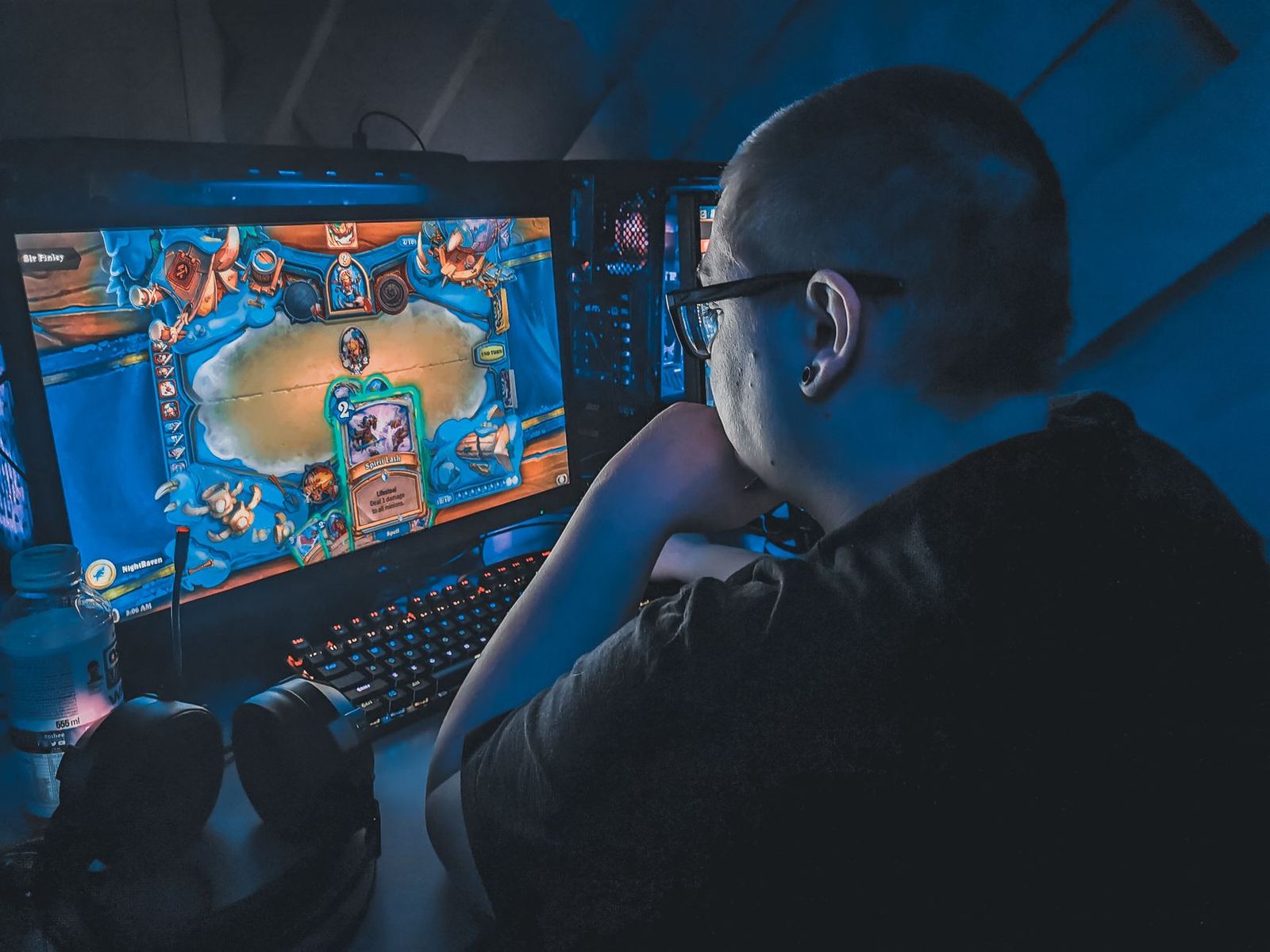
The job also carries its own stressors. The same paper reports that League of Legends competitors faced harassment and negative communication during performance. Counter-Strike: Global Offensive competitors named internal stressors such as interpersonal issues within teams, and external ones such as performing in front of an audience and doing media interviews.
There is a physical side as well. The paper reports studies in which athletes’ heart rates at times reached 120 beats per minute while playing, so a match is not a calm activity even when you are sitting down.
What the research says about sleep, stress and anxiety
A University of Winchester and University of Chichester team surveyed 313 competitive student esports athletes who play Counter-Strike: Global Offensive, Valorant or Rainbow Six Siege, as described in a March 2022 university news release. The results linked stress, sleep, burnout and social anxiety to mental ill health.
The paper reports these main findings:
- Stressors from competing significantly predicted sleep quality, burnout and social phobia anxiety.
- Stressors, sleep quality, burnout and social phobia anxiety were all significant positive predictors of mental ill health.
- The daytime dysfunction part of sleep was a strong predictor of every outcome measured.
- The exhaustion and reduced sense of accomplishment parts of burnout each predicted every mental ill health outcome.
- The fear and avoidance parts of social phobia anxiety significantly predicted mental ill health.
The paper also cites research in which esports athletes reported significantly lower sleep quality and higher depression scores than a non-athlete sample, alongside a pattern of competitive late-night sessions.
Keep the limits in mind. This was an online survey of students, so it shows what predicts what, not that late nights or stress cause burnout in every player. Treat it as a pointer to where to look first, not as a guarantee.
Healthy habits that protect you
The studies do not test specific daily routines. The Winchester researchers did say there are practical steps, from interventions that improve sleep quality to strategies for coping with the demands of the sport and avoiding burnout, in their 2022 release. The habits below are common-sense steps that follow from the risk factors found.
- Set a last-game time. Sleep quality and daytime dysfunction were strong predictors, so protect the hours before bed.
- Build your own off-season. If the calendar has no break, schedule rest days and lighter weeks yourself.
- Review your training load. Overtraining is one of the burnout factors, so talk through blocks of practice with your coach or team.
- Raise team conflict early. Interpersonal issues are a named stressor, and a short honest conversation costs less than months of tension.
- Rehearse the pressure points. Practise media answers and stage nerves so the audience feels less new.
- Keep a weekly check-in. Note your energy, sleep and motivation, and see whether the checklist above is growing.
Players chasing a career can read about how to become a pro esports player to see what that path asks of your time and energy.
When should you ask for help?
The 2022 paper notes that mental ill health is highly prevalent in esports athletes, at a level comparable to other professional sports such as football. It describes severe mental ill health as diagnosable disorders such as depression or anxiety. That is why persistent low mood, anxiety or exhaustion deserves attention rather than a stoic shrug.
If your symptoms last or get worse, speak to a doctor or a qualified mental health professional in your area. A coach, teammate or family member can help you get started, but they cannot replace professional advice.
Frequently asked questions
Is burnout in esports real, or is it just tiredness?
Show answer
It is real. The 2024 Korean study found that esports athletes, like athletes in other conventional sports, experience burnout during their careers.
Do esports players get an off-season?
Show answer
Not reliably. Because competition can run all year, you may need to plan your own rest days and lighter weeks rather than wait for a season to end.
Which warning sign should I take seriously first?
Show answer
In the 2022 survey, exhaustion and a reduced sense of accomplishment each significantly predicted every mental ill health outcome measured. Persistent exhaustion that rest does not fix is a sensible first sign to act on.
Does the research prove late-night play causes burnout?
Show answer
No. The findings come from a survey and show prediction, not proof of cause. They do link poor sleep and late-night sessions to worse wellbeing, so a firm bedtime is a low-risk habit.